

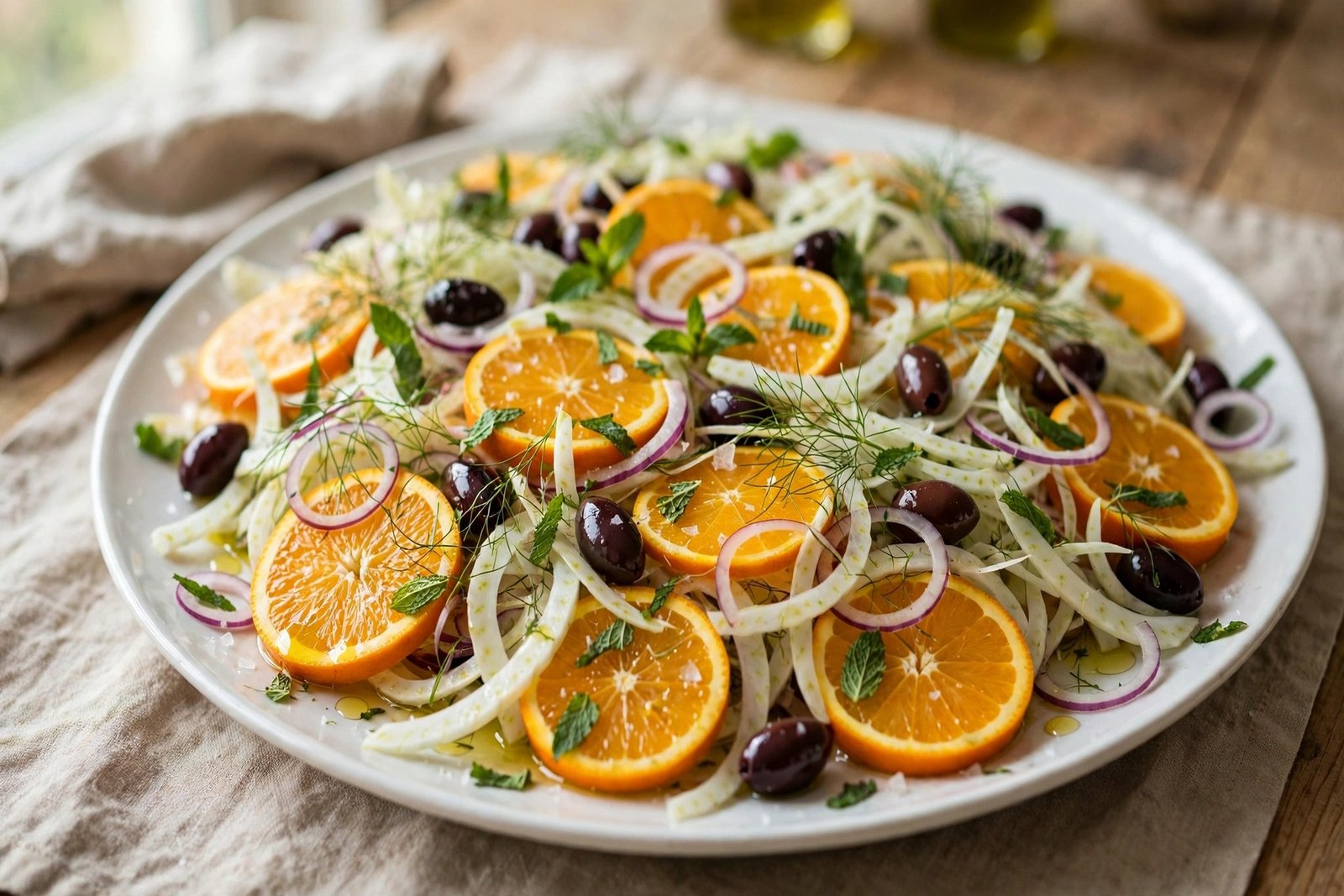
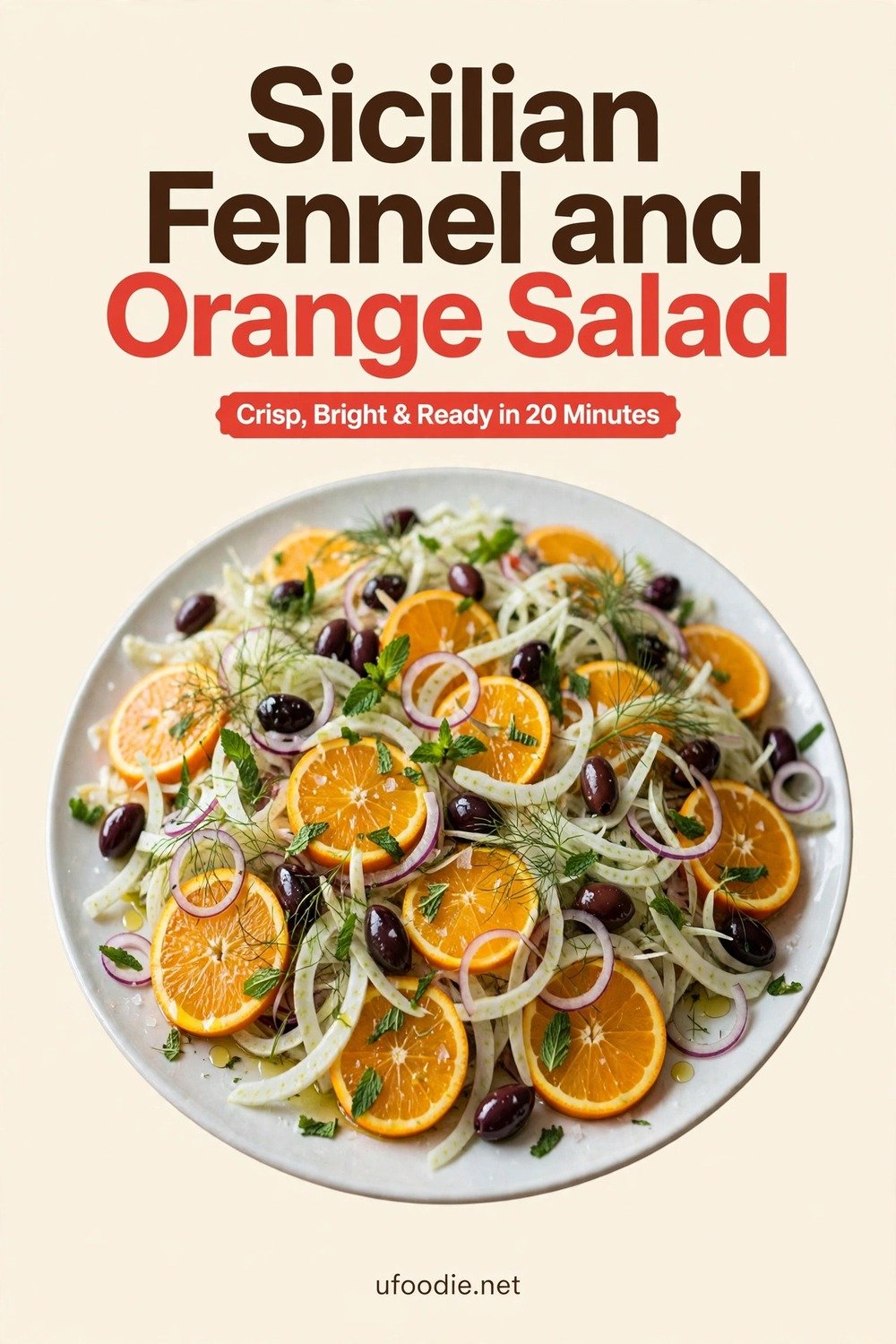
There is a salad in Sicily with no lettuce, no cheese, and no dressing you need to shake in a jar. Just oranges and fennel, sliced thin and layered on a platter, with black olives, red onion, and good olive oil. It sounds too simple to be memorable — and then you eat it, and the sweet orange, the cool anise crunch of the fennel, and the salty bite of the olives make perfect sense together.
It is older than most dishes on the island. Food historians trace the sweet-and-savoury pairing to Sicily’s period of Arab rule, which began in 827 CE and brought citrus from the east; oranges were established in Sicily by the 15th century. The combination stuck because fennel and citrus are in season at exactly the same time, from December through early spring, when little else fresh is growing.
Twenty minutes, nothing cooked, and the brightest thing you can put on a winter table. In Sicily it is served as an appetizer or as a side with grilled fish and roast meats, because its acidity cleanses the palate between richer dishes.
At a glance
- Servings: 4 (as a side or appetizer)
- Prep time: 20 minutes
- Cook time: 0 minutes
- Total time: 20 minutes (plus an optional 10-minute rest)
- Method: No cooking — slice, layer, dress, rest
- Why this recipe: sweet oranges, cool anise-crisp fennel and briny olives — a classic Sicilian winter salad with no cooking at all
- Storage: components keep separately in the fridge for 1 day; the dressed salad is best within an hour and does not freeze
- Done when: the fennel is shaved thin enough to bend, the orange rounds are free of white pith, and every slice glistens with dressing
Pin this recipe for later.
Why you’ll love this recipe
- Nothing to cook. Slice, layer, dress — the whole salad comes together in 20 minutes.
- Three flavours that make sense together. Sweet orange, cool anise-crisp fennel, salty olives: simple, and memorable.
- It looks like a composed dish. Layered on a platter, not tossed in a bowl, so the colour contrast does the work.
- It goes with rich food. The acidity cuts through grilled fish, roast meats and anything oily or fatty.
Notes on ingredients
Oranges. Navel oranges: seedless, sweet, and firm enough to slice into clean rounds that hold their shape. Blood oranges are the traditional Sicilian choice in season — the deep red flesh looks spectacular against the pale fennel — and Cara Cara oranges work beautifully too. Avoid juice oranges: they are too soft and fall apart when sliced.
Fennel. Medium bulbs, with fronds attached if possible — the fronds become the garnish. Slice it as thin as you can: thick fennel is tough and dominates the salad, while paper-thin slices bend around the orange.
Red onion. Sliced as thin as possible and soaked in cold water, which takes the harsh raw edge off while keeping the crunch. If red onion is too sharp for you, the soak makes a real difference.
Black olives. Pitted, halved if large — briny and salty against the sweet oranges. Green Castelvetrano olives work too, for a milder, buttery saltiness. Avoid canned sliced black olives: they are soft and bland.
Mint and fennel fronds. Torn mint leaves and roughly chopped fronds scattered over the top. The mint is not decoration — a little of it in each bite lifts the whole salad.
Olive oil. Good extra virgin olive oil, since the dressing is mostly oil and citrus juice — this is the recipe to use the bottle you like.
Lemon juice. Half of it goes on the shaved fennel straight away to keep the cut edges from browning; the rest goes into the dressing.
Orange juice. Squeezed from the leftover orange membranes — the dressing’s second citrus note, and the reason to save the juice rather than throw it away.
Flaky sea salt and black pepper. The salt matters more here than in most salads: the fennel and oranges are both mild, and the dressing carries the seasoning for the whole plate. Flaky sea salt is worth it — it dissolves slowly and gives little bursts of saltiness.
Find the complete recipe with measurements below.
How to make Sicilian fennel and orange salad
Stage 1 — Shave the fennel
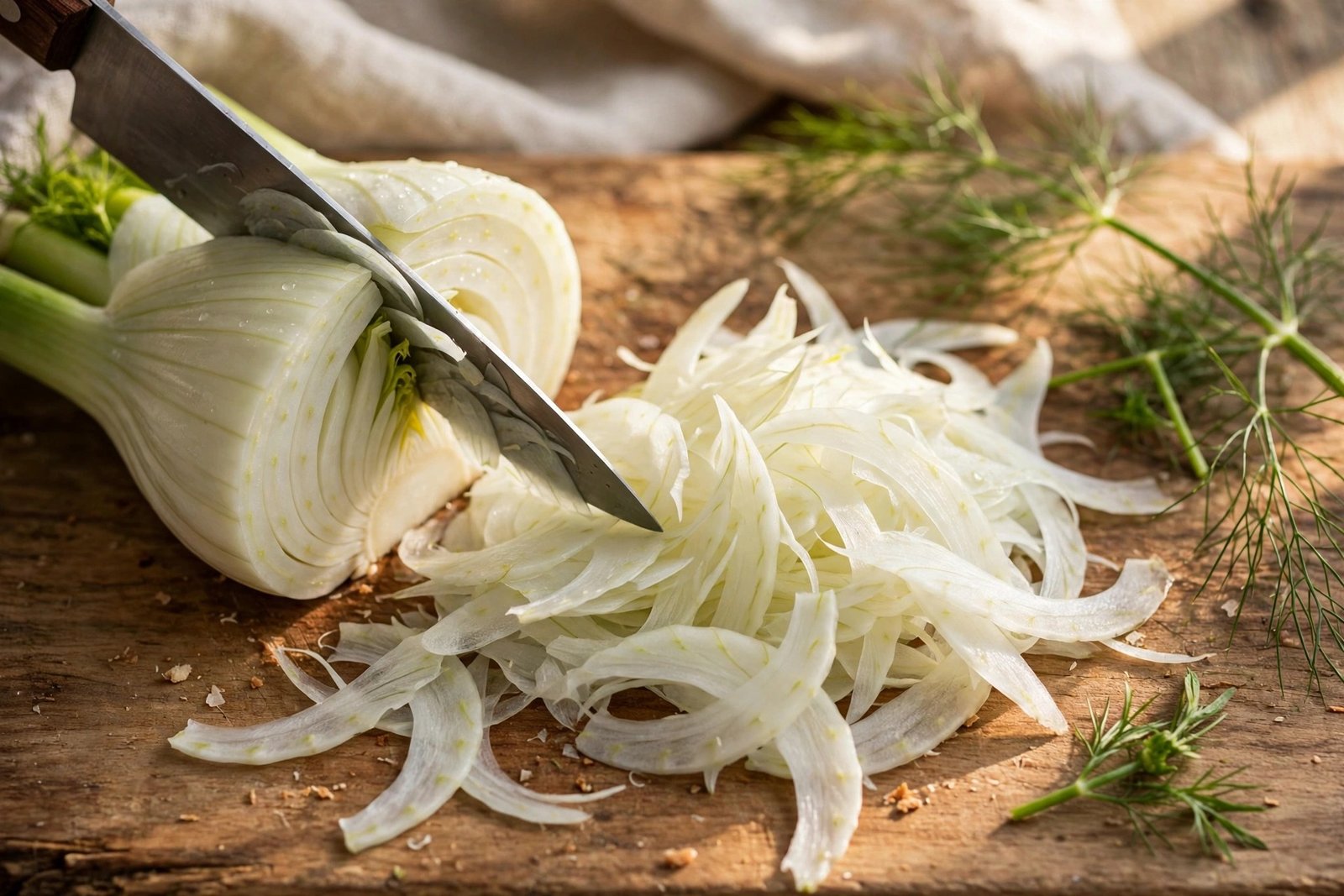
Cut the stalks off the fennel bulbs and save a handful of the feathery fronds for garnish. Trim a thin slice off the base, peel away any bruised outer layer, then cut each bulb in half from top to bottom and cut out the hard triangular core. Place each half flat-side down and slice it as thin as you can — a mandoline gives the most even result, but a sharp knife and a steady hand work fine. The slices should be thin enough to bend without snapping. Toss the shaved fennel with half the lemon juice right away: it keeps the cut edges from browning while you prep the oranges. If you use a mandoline, always use the guard — fennel halves are small and your fingers get close to the blade fast.
Stage 2 — Peel and slice the oranges
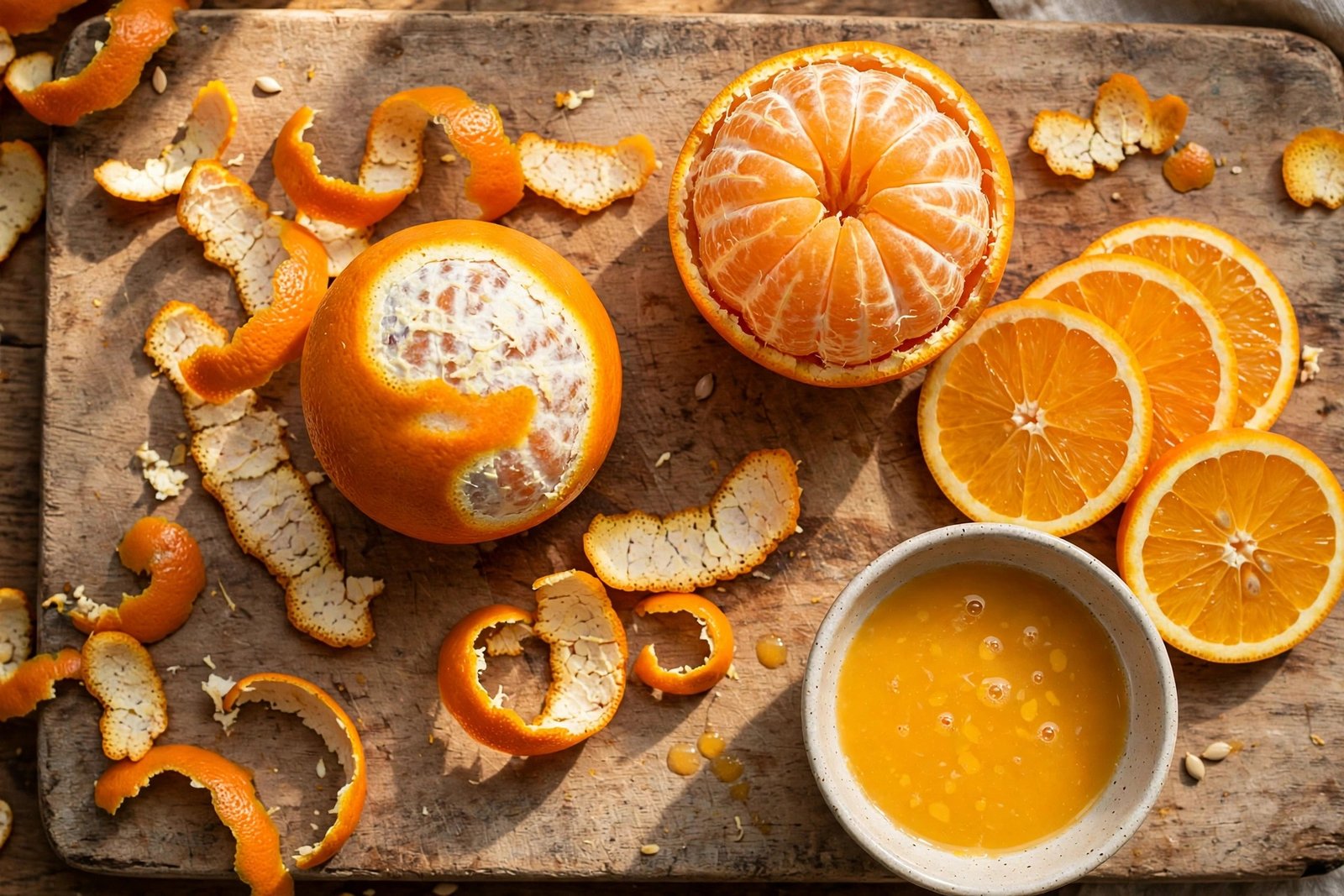
Cut the top and bottom off each orange so it sits flat. Stand it upright and slice downward along the curve, removing the peel and as much white pith as you can — the pith is bitter, and any left behind will show. Turn the peeled orange on its side and slice it into thin rounds, about ¼ inch thick, over a bowl to catch the juice. Pick out any seeds, then squeeze the leftover membranes over the bowl: you need about 2 tablespoons of juice for the dressing.
Stage 3 — Soak the onion and whisk the dressing
Slice the red onion as thin as you can, then drop the slices into a small bowl of cold water for 10 minutes. This takes the harsh raw edge off the onion while keeping its crunch, so it seasons the salad instead of overpowering it. Drain well and pat dry before assembling — wet onion slices water down the dressing.
In a small bowl, whisk together the olive oil, the orange juice you saved, the remaining lemon juice, the flaky sea salt, and the black pepper for about 30 seconds, until slightly cloudy and combined. Taste it: bright and salty, not oily.
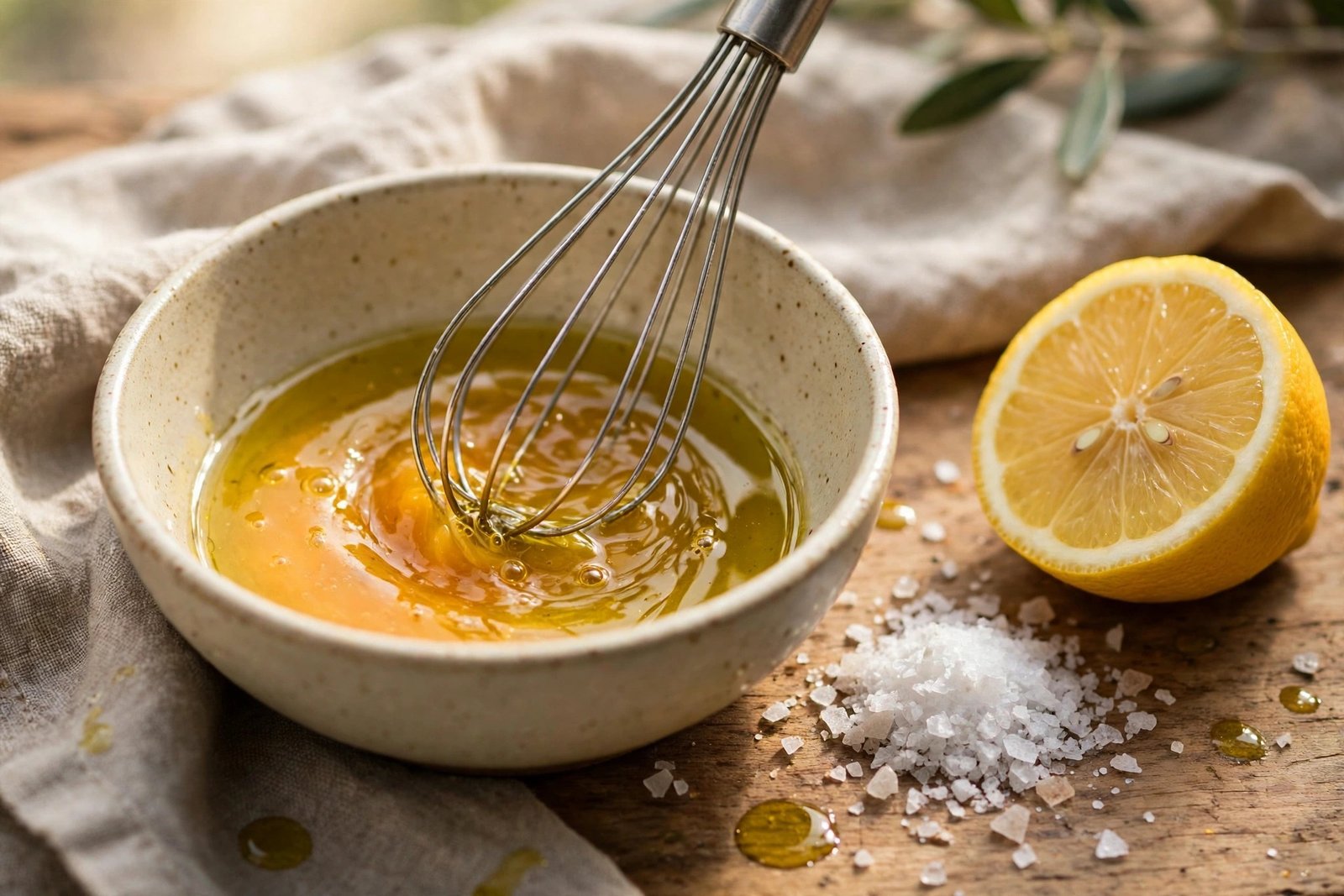
Stage 4 — Layer the salad on a platter
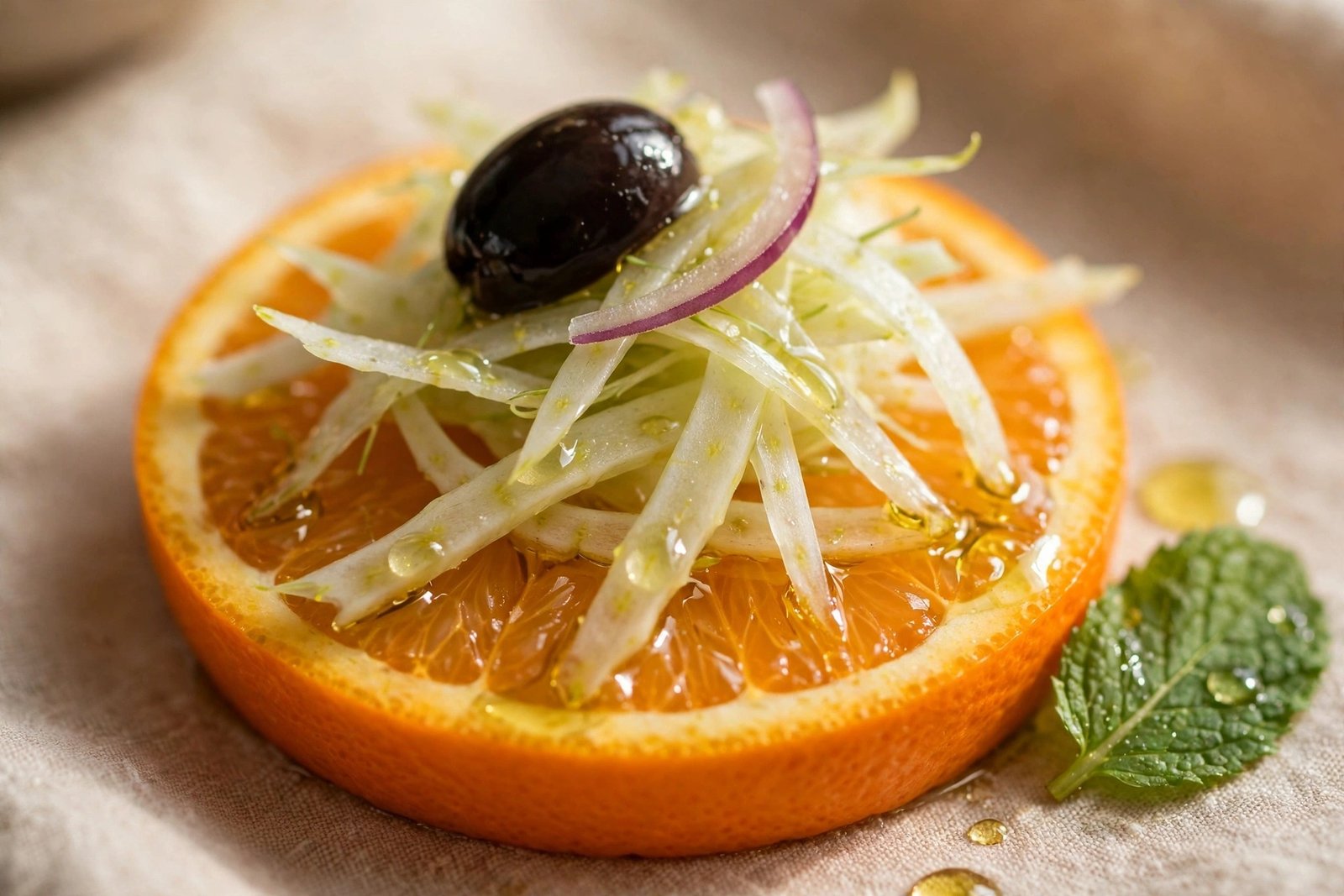
This salad is layered, not tossed — the traditional way, and what makes it look like a composed dish instead of a bowl of mixed slices. On a large platter, overlap the orange rounds in a single layer. Tuck the shaved fennel between and over the orange slices, so every bite gets some of each. Work in two layers if the platter is small, but keep the oranges visible.
Scatter the black olives over the top, then the drained red onion slices. Sprinkle the chopped fennel fronds and torn mint leaves over everything. The mint is not decoration — a little of it in each bite lifts the whole salad and is the flavour most people cannot quite place afterwards.
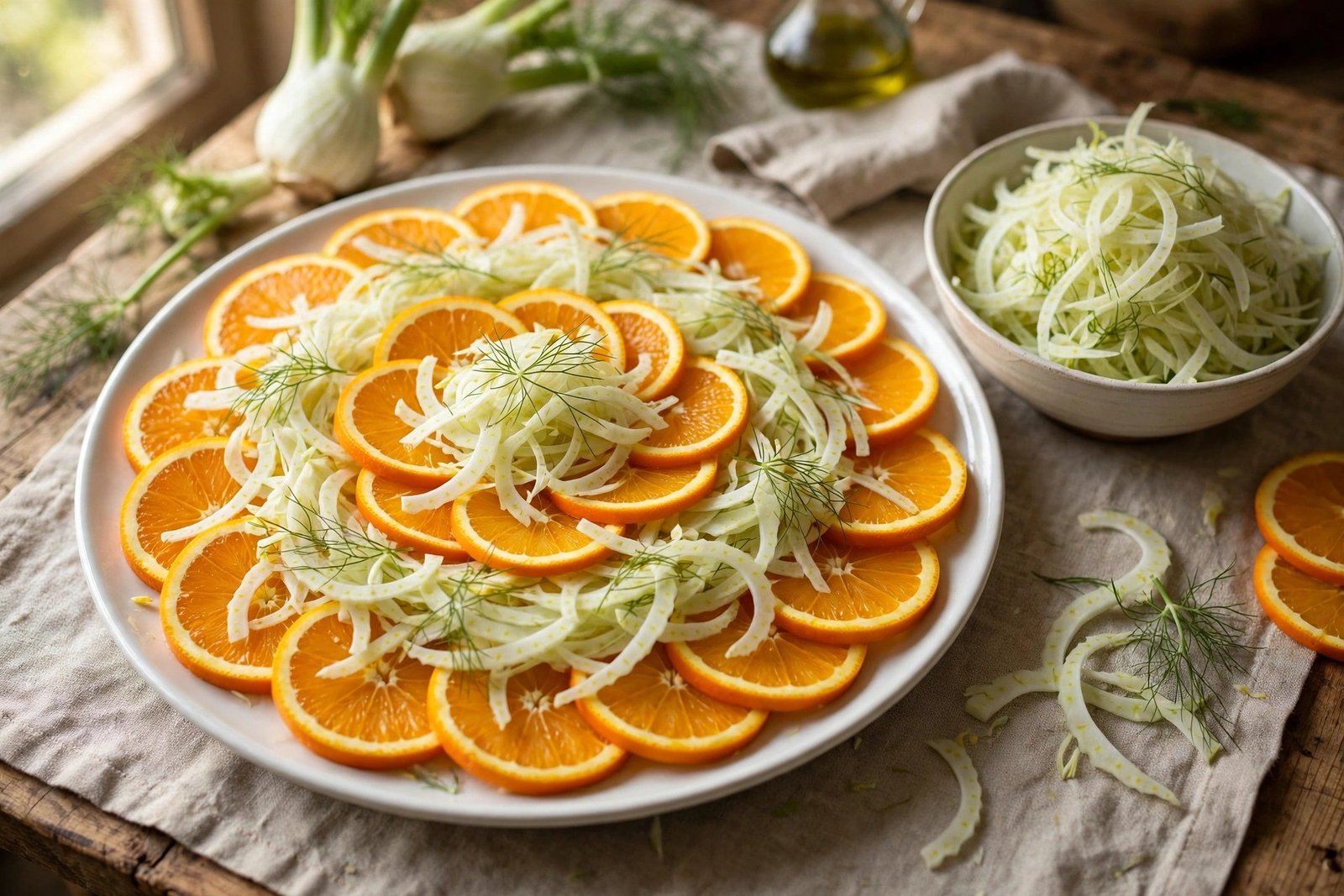
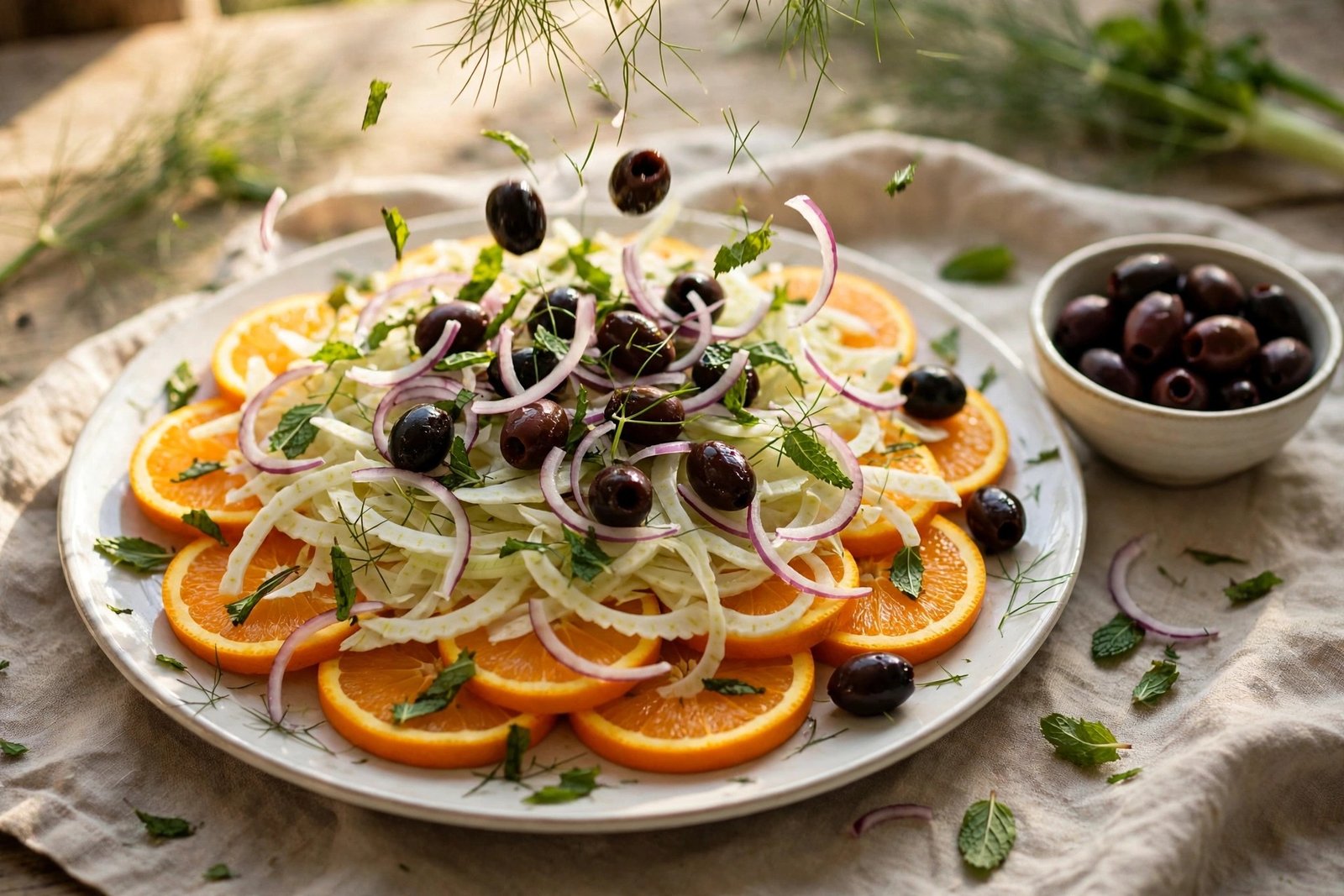
Stage 5 — Dress, rest and serve
Drizzle the dressing evenly over the platter, then leave the salad to rest for 10 minutes at room temperature. In that time the salt draws a little juice out of the oranges, the fennel softens just enough to lose its raw edge, and the flavours start to blend. Do not skip the rest — a salad dressed and served instantly tastes like separate ingredients; ten minutes turns it into a dish.
Taste one piece of fennel and one orange round together and adjust the salt if needed — this salad can take more salt than you expect. Serve at room temperature, with the platter in the middle of the table so people can help themselves. It is best eaten within an hour of dressing, while the fennel is still crisp.
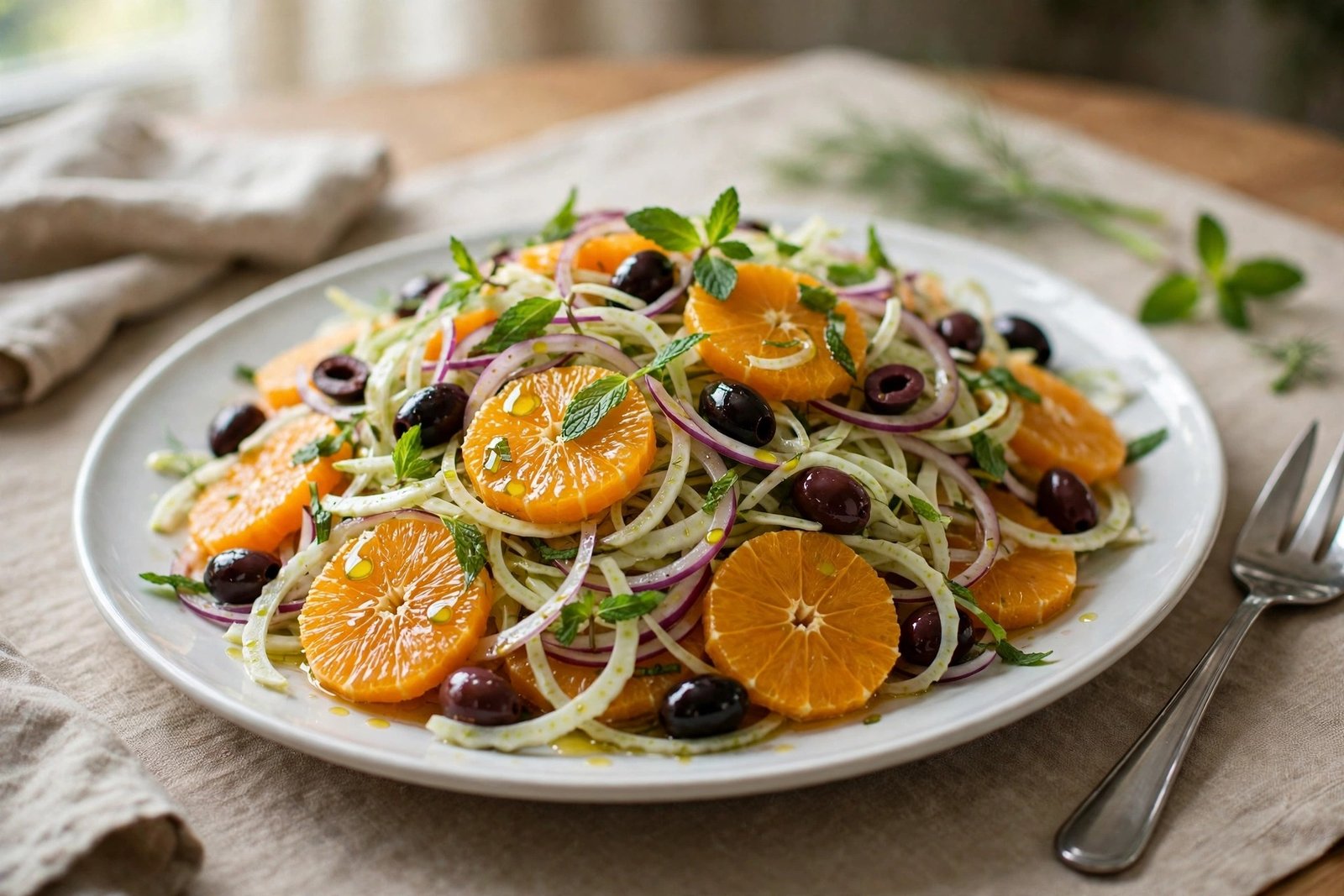
Storage and reheating
This is a serve-fresh salad — there is no reheating, and it does not freeze. Leftovers keep 1 day in the fridge in an airtight container, but the fennel softens and the oranges release juice, so eat it the same day if you can. Cut fruit and vegetables are perishable: do not leave the dressed salad at room temperature for more than 2 hours (1 hour if the room is above 90°F / 32°C), per USDA guidance. The USDA’s full leftovers guidance is at https://www.fsis.usda.gov/food-safety/safe-food-handling-and-preparation/food-safety-basics/leftovers-and-food-safety.
To prep ahead, keep the components separate — shaved fennel in a sealed container with a damp paper towel, orange rounds in their own container, dressing in a jar — and assemble and dress just before serving. Undressed components keep 1 day in the fridge.
Variations
- Blood orange version: Use blood oranges for two of the oranges and a navel for the third. The ruby flesh against the white fennel is the most Sicilian-looking version of this salad.
- With anchovies: A traditional Sicilian addition — lay 4 to 6 anchovy fillets in oil over the top before dressing. They melt into the dressing and add a deep savoury note. This version is not vegetarian.
- With raisins: Another old Sicilian variation, from the Palermo area — soak 2 tablespoons of golden raisins in warm water for 10 minutes, drain, and scatter them over the salad.
- With pistachios: Toasted chopped pistachios scattered over the top add crunch. Keep it to 2 tablespoons so they stay a garnish, not a main ingredient — our Blood Orange Salad already uses pistachios as a central topping, so this is a different salad with a different balance.
- Add protein: Serve it next to grilled fish, roast chicken, or our Orange Glazed Salmon for a light main course. The salad’s acidity cuts through rich fish beautifully.
Allergens and dietary information
This salad is vegan and gluten-free as written, and contains no dairy, egg, nuts, or soy. The only allergen to flag is fish, and only if you add the anchovy variation. Black olives are brined and can be high in sodium — rinse them briefly if you are watching salt. Fennel is in the carrot family, so anyone with a carrot, celery, or parsley allergy should check with their doctor first: cross-reactivity is uncommon but documented.
You may also like
This salad loves rich food, so serve it next to the Honey BBQ Chicken and Garlic Parmesan Potatoes or with a bowl of Creamy Tomato Soup and Grilled Cheese for a light lunch that still feels like a meal.
Pin this recipe for later.
Sicilian Fennel and Orange Salad
Ingredients
Equipment
Method
- Cut the stalks off the fennel bulbs and save a handful of the feathery fronds. Trim a thin slice off the base, peel away any bruised outer layer, then cut each bulb in half from top to bottom and cut out the hard triangular core. Place each half flat-side down and slice as thin as you can — a mandoline gives the most even result, but a sharp knife works. Toss the shaved fennel with half the lemon juice to keep it from browning.
- Cut the top and bottom off each orange so it sits flat. Stand it upright and slice downward along the curve, removing the peel and as much white pith as you can. Turn the peeled orange on its side and slice it into thin rounds, about 1/4 inch thick, over a bowl to catch the juice. Pick out any seeds. Squeeze the leftover membranes over the bowl to collect about 2 tablespoons of juice for the dressing.
- Slice the red onion as thin as you can, then drop the slices into a small bowl of cold water and leave for 10 minutes. Drain well and pat dry before assembling.
- Whisk together the olive oil, the 2 tablespoons of orange juice, the remaining lemon juice, the flaky sea salt, and the black pepper for about 30 seconds, until slightly cloudy and combined. Taste — it should be bright and salty, not oily.
- On a large platter, overlap the orange rounds in a single layer. Tuck the shaved fennel between and over the orange slices, so every bite gets some of each. Work in two layers if the platter is small, keeping the oranges visible.
- Scatter the black olives over the top, then the drained red onion slices. Sprinkle the chopped fennel fronds and torn mint leaves over everything.
- Drizzle the dressing evenly over the platter and leave the salad to rest for 10 minutes at room temperature, so the salt draws a little juice from the oranges and the fennel softens slightly.
- Taste one piece of fennel and one orange round together and adjust the salt if needed. Serve at room temperature, with the platter in the middle of the table. Best eaten within an hour of dressing, while the fennel is still crisp.
Notes
Frequently asked questions
What oranges are best for Sicilian fennel and orange salad?
Navel oranges are the safest choice: seedless, sweet, and firm enough to slice into clean rounds. Blood oranges are the traditional Sicilian choice in season (roughly December to April) and make the prettiest version. Cara Cara oranges are a good middle ground. Avoid juice oranges: they are too soft and fall apart when sliced.
Can I make fennel and orange salad ahead of time?
Partly. Prep the components up to a day ahead — shaved fennel in a sealed container with a damp paper towel, orange rounds in their own container, dressing in a jar, all in the fridge. Assemble and dress no more than 10 to 15 minutes before serving. A fully dressed salad goes soft within an hour.
Do I need a mandoline to slice the fennel?
No. A sharp chef’s knife and a steady hand work fine — cut the bulb halves flat-side down and slice as thin as you can. A mandoline just makes the slices more even. If you use one, always use the guard: fennel halves are small and your fingers get close to the blade fast.
Why soak the red onion in cold water?
Raw red onion can be harsh enough to take over a delicate salad. Ten minutes in cold water pulls out some of the sulfur compounds that make it sharp, while keeping the crunch. Drain and pat dry before adding it, or the water thins the dressing.
What olives should I use?
Pitted black olives are the classic choice — briny and salty against the sweet oranges. Green Castelvetrano olives work too, for a milder, buttery flavour. Avoid canned sliced black olives: they are soft and bland. If your olives are very salty, rinse them briefly and pat dry.
Is Sicilian fennel and orange salad vegan?
Yes, as written — oranges, fennel, onion, olives, herbs, olive oil, and citrus juice, nothing animal-derived. The anchovy variation is the only one that is not vegan or vegetarian. It is also gluten-free and dairy-free.
What should I serve with fennel and orange salad?
In Sicily it is served as an appetizer or as a side with grilled fish, roast chicken, or pork. Its acidity cuts through rich food, so it pairs well with anything oily or fatty — grilled salmon, sardines, or our Orange Glazed Salmon. It also works as a light lunch on its own with good bread.
How is this different from a blood orange salad?
They share citrus, but they are different salads. Our Blood Orange Salad is built on leafy greens with creamy avocado and burrata, crunchy pistachios, and a honey-citrus dressing. This Sicilian salad has no greens, no cheese, and no nuts at its core — just shaved fennel and orange rounds layered on a platter, with briny olives, red onion, and mint, dressed with olive oil and orange juice. Lighter, sharper, and entirely savoury.

1 Comment
Pingback: Grapefruit Avocado Salad with Feta (Easy, 25 Minutes)